
Water rarely announces itself. By the time you spot a puddle on the floor, the real trouble has usually been building behind your walls for weeks. Learning the hidden water damage signs early can save you thousands of dollars in repairs, protect your family from mold, and keep small leaks from turning into full home restoration projects.
At AquaPhoenix Builders, we have walked through homes across Southern California where a faint stain on the ceiling was hiding a soaked subfloor, rotted framing, and a colony of mold no one could see. The good news? Your home almost always gives you warning signs first. You just have to know what to look for.
Below are the 10 most common hidden water damage signs, plus expert tips, the mistakes homeowners make most often, and answers to the questions we hear every week.
Quick answer: The most common hidden water damage signs include musty odors, discolored stains, peeling paint, warped floors, unexplained spikes in your water bill, soft or sagging walls, and visible mold. If you notice any of these, schedule a professional inspection right away.
What Is Hidden Water Damage?
Hidden water damage is moisture that collects inside walls, ceilings, floors, or crawl spaces where you cannot easily see it. It usually comes from slow plumbing leaks, roof problems, foundation cracks, faulty appliances, or poor drainage.
Because the water stays out of sight, it can quietly weaken your home’s structure and create the perfect environment for mold long before you notice anything is wrong. That is what makes it so dangerous, and so expensive when it goes untreated.
In a region like Southern California, where many homes mix older plumbing with stucco exteriors and flat roofs, hidden leaks are far more common than most people expect.
10 Hidden Water Damage Signs Every Homeowner Should Know
Here are the warning signs we tell every homeowner, property manager, and real estate investor to watch for.
1. A Musty or Earthy Smell That Will Not Go Away
Your nose often detects hidden water damage before your eyes do. A persistent musty, damp, or earthy odor usually means moisture is feeding mold or mildew somewhere you cannot see, such as inside a wall cavity or under flooring.
If the smell gets stronger in a closet, bathroom, or near baseboards, treat it as a red flag.
2. Stains and Discoloration on Walls or Ceilings
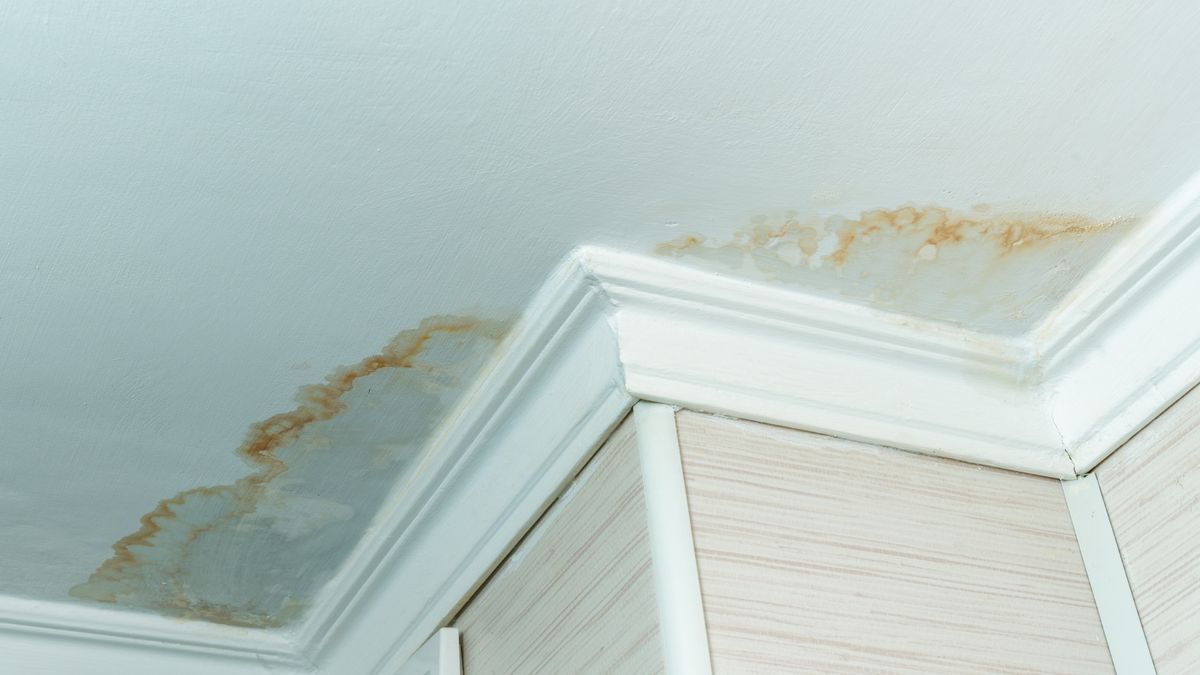
Yellow, brown, or copper colored stains are one of the clearest hidden water damage signs. They often appear as rings or blotches and tend to grow over time.
A stain on a ceiling frequently points to a roof leak or a leaking pipe on the floor above. Do not just paint over it. The stain will keep coming back until the source is fixed.
3. Peeling, Bubbling, or Cracking Paint
When moisture builds up behind a wall, it pushes against the paint or wallpaper. The result is bubbling, flaking, or cracking that seems to appear for no reason.
This is especially common in bathrooms, kitchens, and laundry rooms where plumbing runs through the walls.
4. Warped, Buckling, or Soft Floors
Floors are quick to react to trapped moisture. Hardwood may cup or buckle, laminate can swell at the seams, and tile may loosen as the adhesive breaks down.
If a spot in your floor feels soft, spongy, or uneven when you step on it, water has likely reached the subfloor.
5. Sagging or Bulging Walls and Ceilings
Drywall absorbs water like a sponge. When it does, it loses strength and starts to sag, bulge, or feel soft to the touch.
A ceiling that looks like it is drooping in one area is often holding pooled water above it. This is a safety issue and should be inspected right away.
6. Visible Mold or Mildew
Mold needs only moisture and time. Spotting black, green, or white fuzzy growth, even a small patch in a corner or along a window frame, usually means there is more moisture, and more mold, hidden nearby.
Mold also poses health risks, which is why professional mold remediation matters so much.
7. A Sudden Spike in Your Water Bill
If your water usage habits have not changed but your bill jumps, a hidden leak is one of the first things to suspect. A slow leak inside a wall or under a slab can waste hundreds of gallons before anyone notices.
Compare your recent bills. A steady climb with no clear reason is worth investigating.
8. Condensation, Damp Spots, or Humidity Indoors
Foggy windows, sweating pipes, or rooms that always feel damp can point to trapped moisture. Excess indoor humidity often signals a leak, poor ventilation, or water pooling somewhere out of view.
9. The Sound of Running or Dripping Water
If you hear water running when no faucet is on, or a faint drip behind a wall, trust your ears. These sounds frequently lead to active leaks inside plumbing lines.
10. Rust, Corrosion, or Stained Fixtures
Rust around pipe connections, water heaters, or under sinks shows that moisture has been present for a while. Corrosion is both a symptom and a future cause of leaks, so it should never be ignored.
Expert Tips From the AquaPhoenix Builders Team
After years of handling water damage repair across Orange County, Los Angeles County, Riverside County, and San Bernardino County, here are the tips we share most often.
- Check the quiet spots. Look under sinks, behind the toilet, inside cabinets, and around the water heater at least once a month.
- Watch your home after heavy rain. Southern California storms come fast. Inspect ceilings, attics, and window frames a day after a big rain.
- Know where your main water shutoff is. In an emergency, shutting off the water within minutes can prevent thousands of dollars in damage.
- Photograph everything. If you suspect damage, take clear photos with timestamps. This helps tremendously with insurance claims.
- Act within the first 24 to 48 hours. Mold can begin to grow quickly. Fast action is the single biggest factor in keeping repair costs down.
Common Homeowner Mistakes to Avoid
Even careful homeowners fall into these traps. Avoiding them can save you a lot of stress and money.
- Painting over stains instead of finding the source. This hides the symptom while the leak keeps spreading.
- Using only a household fan or store bought dehumidifier. Surface drying does not reach moisture trapped inside walls and subfloors.
- Waiting to see if it gets worse. Water damage almost never improves on its own. Delay only raises the final cost.
- Assuming bleach kills mold for good. Bleach may lighten the surface, but it does not remove mold inside porous materials.
- Skipping the professional inspection. What looks like a small stain can hide major structural and microbial issues behind it.
When to Call a Professional Restoration Contractor in California
You can monitor minor signs yourself, but certain situations call for a licensed property restoration company right away. Contact a professional if you notice:
- Standing water or active flooding
- Sewage backup or foul drain odors
- Visible mold larger than a small patch
- Sagging ceilings or soft, spongy walls
- Water damage following a fire or firefighting efforts
A qualified restoration contractor in California will use moisture meters, thermal imaging, and industry grade drying equipment to find and remove moisture you cannot reach on your own. This is the difference between a quick fix and a problem that returns months later.
AquaPhoenix Builders provides emergency restoration services throughout Southern California, including water damage restoration, fire damage restoration, mold remediation, sewage cleanup, and full reconstruction services.
Frequently Asked Questions
How much does water damage restoration cost in California?
Costs vary based on the size of the affected area, the type of water, and how long the damage has been present. Minor repairs may run a few hundred dollars, while major restoration involving structural drying, mold remediation, and reconstruction can reach several thousand. A professional inspection gives you an accurate estimate before any work begins.
Will my insurance cover hidden water damage?
In many cases, yes. Homeowners insurance often covers sudden and accidental water damage, such as a burst pipe. Gradual damage from long term neglect is usually not covered. Documenting the damage with photos and acting quickly improves your chances of a successful claim, and a reputable restoration company can help you work with your insurer.
How long does the water damage repair process take?
A typical project moves through inspection, water extraction, drying, and repairs. Drying alone often takes three to five days. Full restoration, including reconstruction, can take anywhere from a few days to a few weeks depending on the severity of the damage.
Can I prevent hidden water damage in my home?
Yes. Routine maintenance is your best defense. Inspect plumbing and appliances regularly, clean gutters, seal windows and roofs, monitor your water bill, and address small leaks immediately. Annual professional inspections are also a smart investment, especially for older Southern California homes.
Is hidden water damage dangerous to my health?
It can be. Trapped moisture leads to mold, which may trigger allergies, asthma, and other respiratory issues. Sewage related water carries bacteria and contaminants. Removing the moisture and any mold quickly protects both your home and your family’s health.
Conclusion: Catch the Signs Early, Protect Your Home
Knowing the hidden water damage signs puts you in control. A musty smell, a creeping stain, a soft floorboard, or a surprising water bill are all your home’s way of asking for help. The homeowners who act early are the ones who avoid major structural damage, costly mold removal, and stressful insurance battles.
If you notice any of the warning signs above anywhere in Orange County, Los Angeles County, Riverside County, or San Bernardino County, do not wait for the problem to grow.
Get a Professional Inspection Today
AquaPhoenix Builders offers fast, reliable water damage restoration and full home restoration services across Southern California. Our experienced team will find the source, dry your home properly, and restore it the right way.
Call AquaPhoenix Builders today or visit https://aquaphoenixbuilders.com/ to schedule your inspection and get back to a safe, dry home.