
A bathroom remodel can completely transform the appearance, comfort, and functionality of your home. From a new walk-in shower and modern tile to updated fixtures and custom vanities, there are many details that contribute to a successful renovation.
However, what happens behind the finished walls and underneath the tile is just as important as what you can see.
Proper Bathroom Waterproofing Orange County homeowners can rely on helps protect the structure of a bathroom from moisture intrusion, leaks, and water-related damage. Without an effective waterproofing system, even a beautifully remodeled bathroom can develop expensive problems over time.
Waterproofing should therefore be treated as an essential part of bathroom remodeling rather than an optional upgrade.
What Is Bathroom Waterproofing?
Bathroom waterproofing is the process of creating a moisture-resistant barrier that helps prevent water from penetrating areas that are regularly exposed to moisture.
Bathrooms experience frequent exposure to water from:
- Showers
- Bathtubs
- Sinks
- Bathroom floors
- Plumbing fixtures
- Steam and humidity
Areas around showers and tubs are particularly vulnerable because water can get behind tile, grout, or other finished surfaces if the underlying construction is not properly protected.
A professional waterproofing system helps direct moisture away from vulnerable building materials and toward the appropriate drainage system.
Why Bathroom Waterproofing Is Important During a Remodel
When remodeling a bathroom, the project often involves removing existing tile, flooring, drywall, fixtures, or other materials.
This provides an opportunity to inspect the underlying structure and install or improve moisture protection before the new finishes are installed.
A properly planned waterproofing system can help:
- Reduce the risk of water intrusion
- Protect walls and floors
- Reduce the potential for moisture-related damage
- Protect the investment in your new bathroom
- Support a longer-lasting shower installation
- Provide a better foundation for tile installation
Bathroom waterproofing is particularly important in shower areas because these surfaces receive repeated and direct exposure to water.
Shower Waterproofing Helps Protect Wet Areas
The shower is one of the most water-intensive areas in a bathroom.
Every shower sends water across walls, floors, corners, joints, and other connections. Over time, small weaknesses in the construction can allow moisture to move behind finished surfaces.
Professional shower waterproofing helps create a protective layer beneath the visible tile and other finishes.
Depending on the design, waterproofing may be incorporated into:
- Shower walls
- Shower floors
- Niches
- Corners
- Bench areas
- Curbless shower transitions
- Connections around drains and fixtures
The waterproofing system should be properly integrated with the shower’s drainage and construction details.
Waterproofing Should Come Before Tile Installation
Tile is an important part of bathroom design, but tile and grout alone should not be considered the primary waterproofing system.
During a bathroom renovation, the underlying surfaces should be properly prepared and protected before the final tile is installed.
This is why waterproofing and tile installation need to be planned together.
A typical process may include:
- Preparing the shower or bathroom surface
- Addressing the underlying framing and substrate
- Installing the appropriate waterproofing system
- Sealing important transitions and penetrations
- Preparing the surface for tile
- Installing tile and other finished materials
The exact installation process depends on the bathroom design, construction materials, and waterproofing system being used.
How Moisture Can Damage a Bathroom
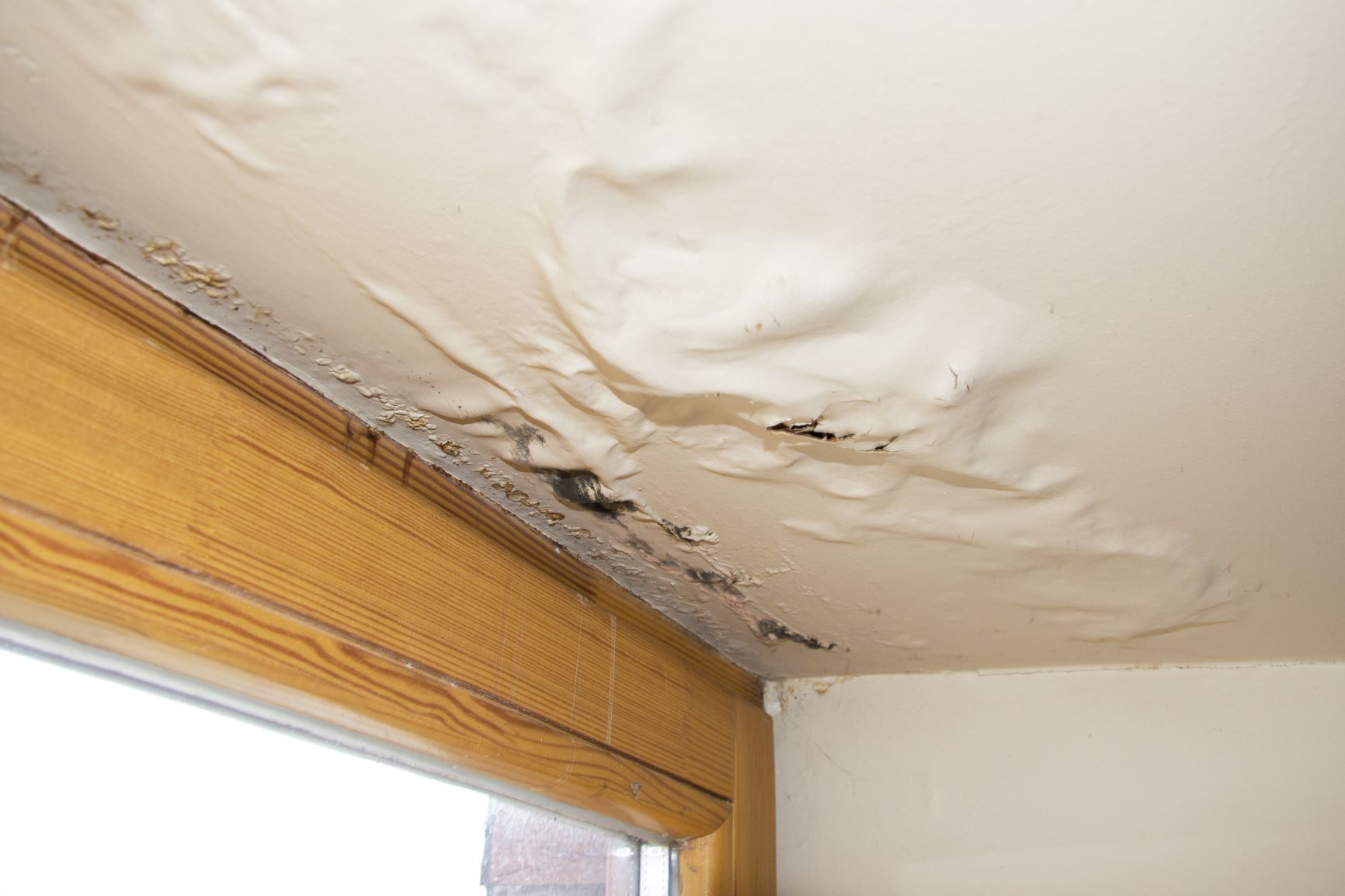
Water that reaches areas behind finished surfaces can create problems that may not be immediately visible.
Depending on the circumstances, prolonged moisture exposure can contribute to:
- Damaged drywall
- Deteriorated wood
- Mold growth
- Damaged flooring
- Staining
- Unpleasant odors
- Structural deterioration
- Loose or damaged tile
The longer moisture problems remain undetected, the more extensive the necessary repairs may become.
Effective moisture protection helps reduce these risks by addressing water exposure before it reaches vulnerable materials.
Curbless and Walk-In Showers Need Careful Waterproofing
Walk-in and curbless showers have become popular choices for modern bathroom remodels.
These designs can create a clean, open appearance and improve accessibility. However, their construction requires careful attention to drainage, floor slope, transitions, and waterproofing.
A curbless shower does not have a traditional raised threshold separating the shower area from the rest of the bathroom floor.
Because water can move more freely across the floor, proper waterproofing and drainage are especially important.
A qualified bathroom contractor can evaluate the layout and coordinate the shower construction, waterproofing, drainage, and finished surfaces as part of the remodeling process.
Waterproofing and Tile Installation Work Together
Beautiful tile can dramatically change the appearance of a bathroom, but the tile is only one component of a complete wet-area installation.
Proper tile installation should take place over a correctly prepared and protected substrate.
Important considerations can include:
- Surface preparation
- Waterproofing
- Drainage
- Layout
- Expansion and movement considerations
- Grout and joint treatment
- Sealing where appropriate
Working with an experienced bathroom contractor can help ensure that waterproofing and tile installation are considered together rather than treated as completely separate steps.
Signs Your Bathroom May Have a Waterproofing Problem
Not every waterproofing issue is immediately visible.
Some warning signs may include:
- Loose or cracked shower tile
- Damaged or deteriorating grout
- Persistent musty odors
- Water stains near the shower
- Soft areas around walls or floors
- Peeling paint
- Damaged baseboards
- Persistent moisture outside the shower
- Water damage in nearby rooms or ceilings
These symptoms can have different causes, so they should not automatically be assumed to indicate a waterproofing failure.
If you notice signs of moisture damage, a professional evaluation can help determine the source of the problem.
Bathroom Waterproofing During a Complete Bathroom Remodel
A bathroom remodel is an opportunity to address both visible design elements and the construction underneath them.
A complete renovation may involve:
- Demolition
- Plumbing
- Electrical work
- Shower construction
- Waterproofing
- Tile installation
- Flooring
- Vanities
- Fixtures
- Finishing work
Coordinating these elements is important because one part of the project can affect another.
For example, the shower layout affects plumbing and drainage. Drainage affects the shower floor. The shower floor and walls affect waterproofing. Waterproofing then needs to be properly prepared before tile installation.
A coordinated remodeling process can help ensure these components work together.
Choosing a Bathroom Contractor for Waterproofing
When planning a bathroom remodel, choosing the right bathroom contractor is an important decision.
Ask potential contractors about:
- Their experience with bathroom remodeling
- How they approach shower waterproofing
- What waterproofing system they plan to use
- How they prepare surfaces before tile installation
- How they handle shower drains and transitions
- Whether plumbing and electrical work are coordinated
- How the project will be managed from demolition through completion
A contractor should be able to explain the construction process clearly rather than focusing only on the visible finishes.
Bathroom Waterproofing Orange County for Long-Term Protection
For homeowners planning a bathroom renovation, Bathroom Waterproofing Orange County should be considered part of the overall construction strategy.
A bathroom can look excellent when the project is completed, but the durability of the renovation depends partly on what happens underneath the finished surfaces.
Proper moisture protection can help create a more durable foundation for showers, floors, tile, and other bathroom finishes.
AquaPhoenix Builders provides bathroom remodeling services that include waterproofing systems, walk-in and curbless showers, tile and natural stone installation, custom vanities, fixtures, and other bathroom improvements.
Learn more about AquaPhoenix Builders’ Bathroom Remodeling Services
Why Professional Waterproofing Matters
Waterproofing is one of the parts of a bathroom remodel that may be hidden after construction is complete.
That makes proper installation particularly important.
A professional remodeling team can coordinate waterproofing with:
- Shower design
- Plumbing
- Drainage
- Tile installation
- Flooring
- Fixtures
- Bathroom layout
The goal is to build the bathroom correctly before the finished surfaces cover the underlying construction.
If you are remodeling a bathroom in Orange County, working with an experienced contractor can help you understand the waterproofing approach that makes sense for your project.
When Should You Consider Bathroom Waterproofing?
Waterproofing should be considered whenever a bathroom renovation involves areas that are exposed to significant moisture, especially showers and wet areas.
It may be particularly relevant when:
- Building a new shower
- Replacing an old shower
- Installing a walk-in shower
- Creating a curbless shower
- Replacing damaged tile
- Remodeling an older bathroom
- Repairing moisture damage
- Changing the bathroom layout
If an existing bathroom has signs of water damage, the source of the moisture should be identified before new finishes are installed.
For additional information about preventing and addressing moisture-related problems in buildings, homeowners can review the U.S. Environmental Protection Agency’s guidance on Mold and Moisture.
Frequently Asked Questions
Is bathroom waterproofing necessary for every bathroom remodel?
Waterproofing is especially important in wet areas such as showers and areas exposed to frequent water. The appropriate waterproofing approach depends on the bathroom design and construction.
Is tile itself waterproof?
Tile can resist water, but tile and grout should not be relied upon as the complete waterproofing system for a shower. Proper waterproofing beneath the finished surface helps protect the underlying structure.
How does shower waterproofing work?
Shower waterproofing uses a moisture-resistant system beneath or behind the finished surfaces to help prevent water from penetrating the underlying structure. The specific system and installation method can vary by project.
Does a curbless shower need waterproofing?
Yes. Curbless showers require careful attention to waterproofing, drainage, floor slope, and transitions because there is no traditional raised threshold containing water.
Can waterproofing prevent all bathroom water damage?
Proper waterproofing can reduce the risk of moisture intrusion, but it cannot eliminate every possible source of water damage. Plumbing leaks, drainage problems, construction defects, and other issues can also contribute to water damage.
Should waterproofing be installed before tile?
Yes. Waterproofing and surface preparation should generally be completed before the final tile is installed in wet areas.
Can an old bathroom be waterproofed during remodeling?
Yes. A bathroom remodel can provide an opportunity to remove existing finishes, inspect the underlying surfaces, address problems, and install an appropriate waterproofing system before new finishes are installed.
How do I know if my shower has a waterproofing problem?
Signs can include persistent moisture, damaged tile or grout, musty odors, staining, soft surfaces, or water damage around the shower. A professional evaluation can help identify the underlying cause.
Plan Your Bathroom Remodel With Proper Moisture Protection
A successful bathroom remodel involves more than choosing attractive tile, fixtures, and finishes. The construction underneath those finishes plays an important role in the long-term performance of the space.
Proper waterproofing can help protect shower areas, walls, floors, and other moisture-exposed surfaces while providing a better foundation for tile and finished materials.
If you are planning a bathroom renovation in Orange County, AquaPhoenix Builders can help coordinate the remodeling process, including shower construction, waterproofing systems, tile installation, fixtures, and other improvements.
Explore Bathroom Remodeling Services
You can also learn more about AquaPhoenix Builders’ Orange County Remodeling Services or contact AquaPhoenix Builders to discuss your project.